


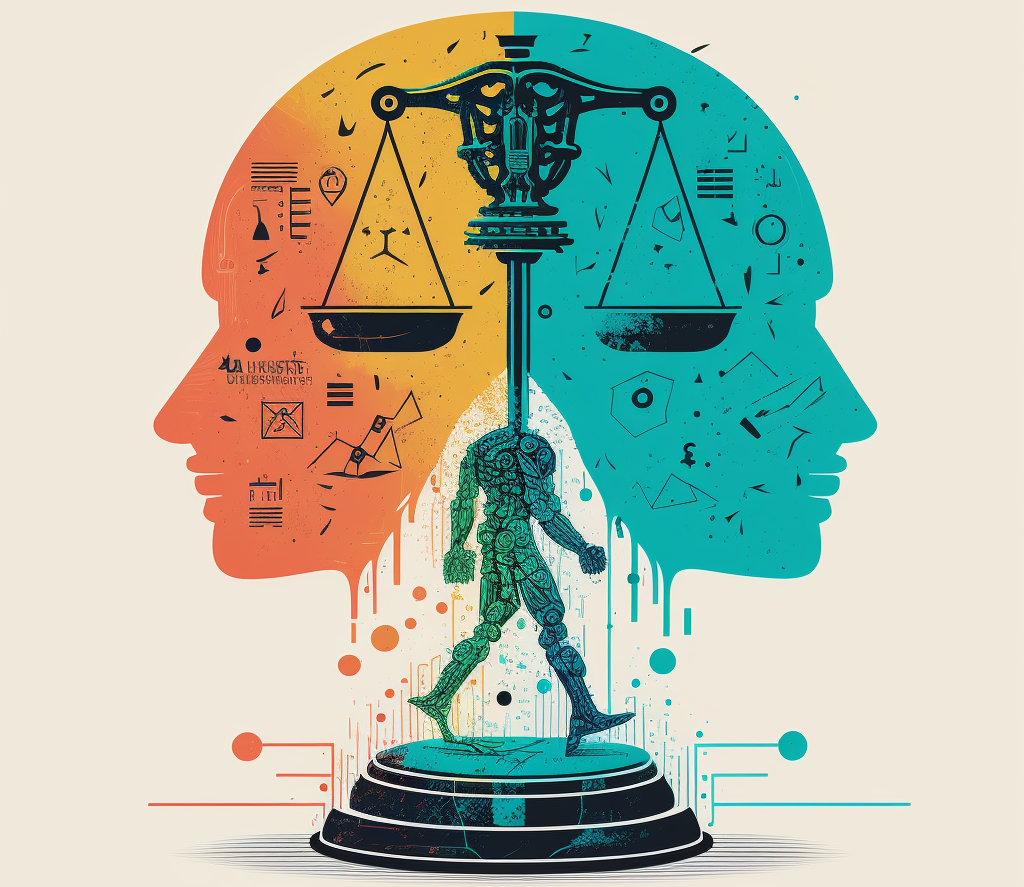
The integration of Artificial Intelligence (AI) in Human Resources (HR) and broader company operations has transformed the way businesses function. From recruitment algorithms to employee performance analytics, AI offers unprecedented efficiency and precision. However, with these advancements come ethical concerns that companies must address to ensure fairness, transparency, and respect for individual rights. This article delves into the ethical implications of AI in HR and offers guidance for companies navigating this new frontier.
1. The Rise of AI in HR
AI’s influence in HR is undeniable. Automated resume screening, chatbots for initial interviews, predictive analytics for talent acquisition, and employee engagement tools are just a few examples. These tools promise unbiased hiring, efficient processes, and better talent management. But beneath the surface, there are ethical challenges that need addressing.
2. Ethical Concerns
Bias and Discrimination: AI models are trained on historical data. If this data contains biases, the AI can perpetuate or even amplify these biases, leading to discriminatory hiring practices. For instance, if past hiring favored a particular gender or ethnicity, the AI might continue that trend.
Privacy: With AI analyzing employee behaviors, communications, and performance, there’s a risk of infringing on individual privacy rights. Without proper safeguards, sensitive personal information could be misused.
Transparency: Often, AI algorithms are “black boxes,” meaning their decision-making processes are not transparent. This can lead to trust issues, especially when adverse decisions are made, like not shortlisting a candidate or identifying an employee for performance improvement.
Depersonalization: Over-reliance on AI can strip away the human touch from HR, making employees feel like mere data points.
3. Navigating Ethical AI in HR
Audit and Refine AI Models: Continuously monitor and refine AI models to ensure they don’t perpetuate biases. This might involve using fairness-enhancing interventions during model training or ensuring diverse data sets.
Prioritize Transparency: Companies should be open about their use of AI in HR processes. This includes informing candidates when AI is used in recruitment or employees when AI tools analyze their performance.
Establish Clear Data Policies: Ensure robust data protection policies that dictate what data is collected, how it’s used, and how long it’s retained. Employees should be informed about these policies and give their consent.
Maintain Human Oversight: While AI can assist in decision-making, it shouldn’t replace human judgment. There should always be a human in the loop, especially for critical decisions like hiring or firing.
Seek External Audits: Consider third-party audits of AI systems to ensure they meet ethical and legal standards. This not only ensures compliance but can also enhance company reputation.
Educate and Train HR Professionals: Those in HR should understand the AI tools they’re using. This includes knowledge about potential biases, ethical implications, and best practices for using AI responsibly.
4. The Way Forward
As AI becomes more integrated into HR and company operations, ethical considerations will be paramount. Companies that proactively address these concerns will not only ensure compliance and fairness but will also position themselves as leaders in the responsible use of AI.
In conclusion, while AI offers transformative potential for HR, it’s essential to navigate its integration with ethics at the forefront. By doing so, companies can harness the benefits of AI while ensuring a fair, transparent, and respectful environment for all employees.


